Jobsite Fire Prevention
Buildings under construction are especially vulnerable to fire: fire protection systems aren’t working yet, combustible materials are everywhere, and hot work is common.
- Construction
- General Industry
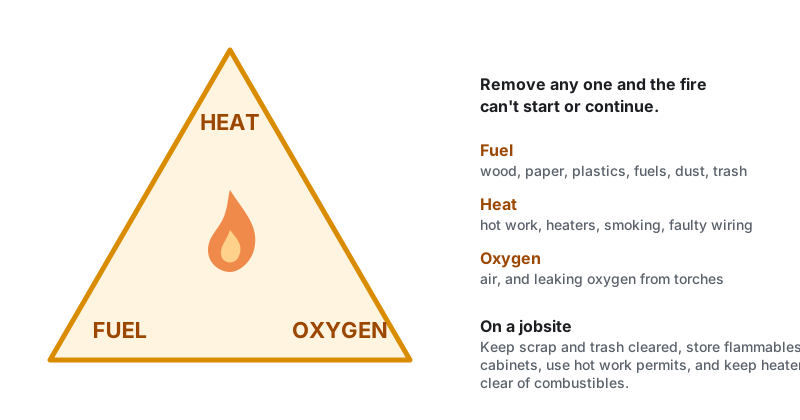
The fire triangle
A fire needs fuel (wood, paper, plastics, fuels, dust), heat (sparks, flames, hot surfaces, electrical faults) and oxygen. Remove any one and the fire can’t start or continue.
Prevention habits
- Keep trash and scrap picked up and in metal containers or dumpsters away from the building.
- Store flammable liquids in approved containers and cabinets. See Flammable Liquids.
- Get a hot work permit before welding, cutting, grinding or torch work.
- Smoke only in designated areas.
- Keep heaters clear of combustibles. See Temporary Heaters.
- Inspect cords and temporary wiring. See Extension Cords.
- Put oily rags in covered metal cans.
- Charge lithium-ion batteries away from combustibles.
Be ready if a fire starts
- Fire extinguishers in place and inspected (in construction, generally within 100 feet of travel distance, and one per 3,000 square feet)
- Fire department access roads and hydrants kept clear
- Standpipes installed as the building rises, as required
- Exits and stairways clear and marked
- An alarm method and an emergency plan everyone knows. See Emergency Action Plans.
Standards & references
- 29 CFR 1926.150: Fire protection
- 29 CFR 1926.151: Fire prevention
- See also: NFPA 241
Last updated: