Surcharge Loads & Vibration Near Trenches
Anything heavy near the edge of a trench, such as a spoil pile, an excavator, a stack of pipe or a loaded truck, pushes down on the soil and out against the trench wall. Add vibration from traffic or compactors, and a wall that looked stable can let go.
- Construction
- Equipment operators
- Competent persons
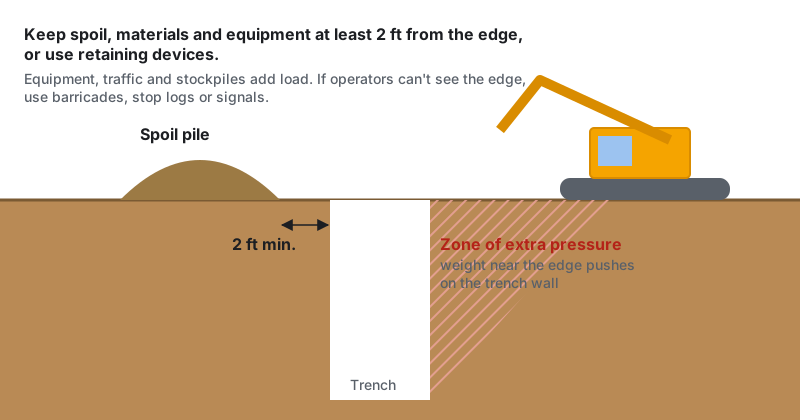
Common surcharge loads
- Spoil piles (excavated soil)
- Excavators, loaders and cranes working next to the trench
- Dump trucks and concrete trucks backing up to the edge
- Pipe, precast structures and materials stockpiled nearby
- Nearby buildings, walls and foundations. See Excavations Near Structures
The rules
- Keep spoil, materials and equipment at least 2 feet from the edge, or use retaining devices to keep them from falling or rolling in (or both).
- When mobile equipment works near the edge and the operator can’t see it well, use a warning system such as barricades, hand or mechanical signals, or stop logs.
- Protective systems (sloping, shoring, shields) must be designed for the surcharge loads that will be present. Tabulated data often assumes limited surcharge; heavier loads need an engineer’s design.
- Don’t let workers be under loads handled by lifting or digging equipment.
Vibration
- Traffic, trains, pile driving, compactors and running equipment shake soil loose.
- Soil subject to vibration can’t be classified as Type A. See Soil Tests.
- Watch for small soil falls and new cracks when vibration starts.
Daily checks
- Spoil piles at least 2 feet back and not sliding toward the trench
- Material stockpiles and equipment parked back from the edge
- Stop logs or barricades where trucks back up
- No new cracks parallel to the edge
- Protective system designed for the loads actually present
Tension cracks running along the edge are a sign the soil is starting to fail. Get out and have the competent person reinspect. See Cave-In Warning Signs.
Standards & references
- 29 CFR 1926.651(f) and (j): Warning systems; protection from loose rock, soil and materials
- See also: Access, Egress & Spoils · Protective Systems
Last updated: